
What is a PET Scan!
A diagnostic imaging test using a small amount of radioactive tracer to detect abnormalities inside the body.
Verified Centres | Transparent Pricing | Easy Booking
Easy appointment booking with participating diagnostic centres across Jaipur

Fill in your name & phone number in the booking form.

Our team from Jaipur MRI Centre will contact you to understand your requirement.

We provide details of certified labs, availability, and pricing.

Your scan is scheduled at your preferred date and time slot.
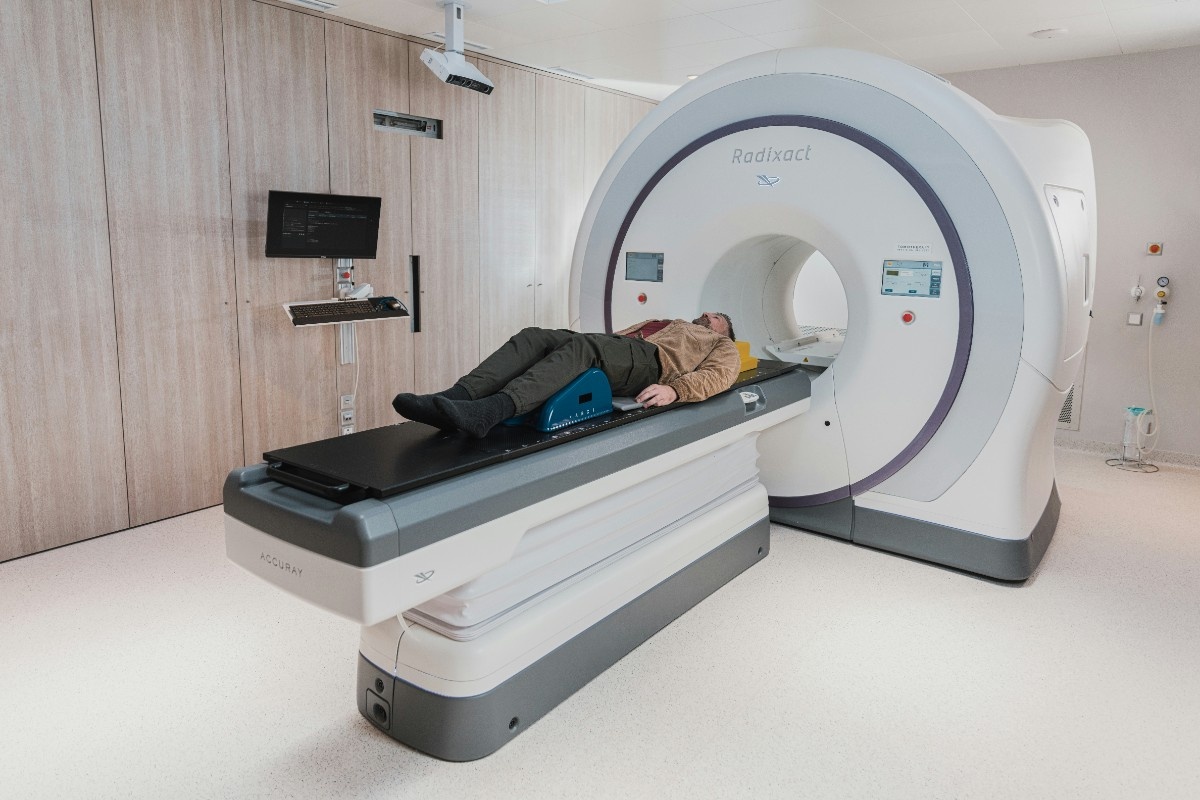
With JAIPUR MRI CENTRE, you can get an appointment for a high-resolution PET-CT scan in Jaipur (computed tomography) with Advanced GE technology. A PET (Positron Emission Tomography) scan uses radioactive tracers to detect metabolic activity and identify diseases, like cancer, neurological disorders or heart disease.
Here, we offer appointment booking for PET Scan services in Jaipur at verified Diagnostic centres.
The advanced PET-CT scan Technology offers imaging in just a few minutes, which reduces patient discomfort. The technology also has a lower radiation dose, ensuring safety too.
| Parameter | Details |
|---|---|
| Full Form | Positron Emission Tomography |
| Purpose | Detects metabolic activity in tissues and organs |
| Best For | Cancer detection, staging, recurrence monitoring |
| Technology Used | Radioactive tracer + advanced imaging system |
| Scan Duration | 30–60 minutes (after tracer uptake time) |
| Radiation Exposure | Low and medically controlled |
| Combined With | Often done as PET-CT for precise anatomical correlation |
X-rays are used in CT examinations. Magnets and radio waves are utilised for MRI tests. Both are used for producing the images of organs and skeletal structures.
Whereas, PET scans use a radioactive tracer and detect cellular malfunctioning in the organs and tissues, even before MRI and CT scans. PET and CT scan can be performed simultaneously. The combined test helps in generating 3D images and offers a more precise diagnosis.
Some doctors may suggest a PET scan to detect:
| Medical Condition | Why PET Scan is Useful |
|---|---|
| Oncology (Cancer) | Detects tumor activity, staging, metastasis |
| Lymphoma | Evaluates spread and treatment response |
| Lung Cancer | Identifies early metastasis |
| Breast Cancer | Detects recurrence |
| Neurological Disorders | Assesses brain metabolism (e.g., epilepsy) |
| Cardiac Conditions | Evaluates heart muscle viability |
After getting your appointment booked, you might be thinking about how it is done and what to expect. Here are a few things that you must know about a PET scan:
The centres we book your appointment at provide the best balance of clinical quality and affordability. Book your PET CT scan at discounted rates compared to large private hospitals.
| Scan Type | Common Uses | Approx. Cost |
|---|---|---|
| Whole Body PET-CT Scan Cost in Jaipur | Standard for most cancers (lung, breast, lymphoma), infections, and fever of unknown origin. | ₹18,000 |
| PSMA PET-CT Scan Cost in Jaipur | Specifically for detecting and staging prostate cancer. | ₹20,000 |
| DOTA/DOTANOC Scan Cost in Jaipur | Used for evaluating neuroendocrine tumors. | ₹24,000 |
| F-DOPA PET-CT Cost Scan in Jaipur | Typically used for brain tumors and movement disorders like Parkinson’s. | ₹29,000 |
| F-Choline (Fluorocholine) Cost in Jaipur | Detecting recurrence in prostate cancer (when PSA rises) or finding hidden parathyroid glands. | ₹34,000 |
A diagnostic imaging test using a small amount of radioactive tracer to detect abnormalities inside the body.
Yes. The radioactive tracer used is quite minimal, and the scans are performed under medical supervision.
To detect cancer, check heart function, and detect neurological or memory disorders in the patient.
Fast for several hours before the scan and follow the instructions given by the diagnostic centres.
Doctors may instruct you to fast for four to six hours before the PET scan. You are allowed to consume water, not other beverages. In case you are diabetic, your doctor will instruct you not to take the diabetes medication before the examination.
Inform the diagnostic centre if:
*** Once you get the appointment booked at the JAIPUR MRI CENTRE, make sure to inform the diagnostic centre about your ongoing medications.
1. PET-CT (Positron Emission Tomography – Computed Tomography)
This is one of the most commonly offered PET scans in diagnostic centres in Jaipur. In this, metabolic imaging (PET) is combined with structural imaging (CT) to give detailed pictures of how tissues and organs function together. It’s especially useful in:
2. FDG-PET CT (18F-FDG PET)
In this scan, the radioactive glucose analogue FDG is used and is one of the most common tracers used globally. FDG accumulates in metabolically active tissues, making it helpful for detecting any inflammation, identifying cancers, and some neuro disorders.
3. Specialised PET CT Variants
Depending on our diagnostic centres capabilities, some PET scans tailored for specific uses of patients can be available, such as:
4. PET-MRI (Less Common but Technically Available in Some Places)
A hybrid PET scan, which is less common but available in some of our diagnostic centres in Jaipur. This test combines PET metabolic data with MRI’s soft-tissue detail. This is more advanced and not as commonly found as PET-CT, but is used for detailed brain, head & neck, or pelvis imaging.
| Scan Category | Purpose |
| Standard PET-CT | Metabolic + structural imaging for oncology and general diagnostics |
| FDG PET-CT | Most common tracer used, great for detecting cancer and metabolic activity |
| PSMA / DOTA PET-CT | Specialized tracers for prostate & neuroendocrine tumour imaging |
| Whole-body PET-CT | Full-body survey for staging or metastatic workup |
| PET-MRI | Advanced combined imaging (less common) |
Although PET scans are generally safe and have rare complications, the amount of radiation is very low. You should drink lots of water after this scan to help you flush the drug from your body easily. Some risks and side effects of a PET scan:
Understanding SUV (Standard Uptake Value)
| SUV Range | Interpretation | Clinical Relevance |
|---|---|---|
| < 2.5 | Low metabolic activity | Usually benign or inactive lesion |
| 2.5 – 5 | Mild to moderate uptake | Needs correlation with CT/MRI |
| 5 – 10 | High suspicion | Likely malignancy in oncology context |
| > 10 | Very high metabolic activity | Aggressive tumor or active disease |
Reviewed By:

Dr. Hitesh Kumar, MD (General Medicine), Consultant Physician
This content has been medically reviewed for clinical accuracy and is updated in accordance with current nuclear medicine practices.
Last Reviewed: 12 July 2026
Book Your PET Scan Today at Jaipur’s Trusted Diagnostic Platform.

Results from a PET scan can only be accurate if it is properly prepared. Patients are generally instructed to fast for 4-6 hours prior to the scan unless otherwise stated, but plain water is generally okay. Strenuous exercise should be avoided within 24 hours of the appointment as this can alter the absorption of the radioactive tracer. Tell your doctor and the diagnostic centre in advance if you have diabetes, are pregnant, breastfeeding or taking regular medicine as special preparation may be necessary. Always adhere to the guidelines given by your referring doctor or imaging centre.
The total time for a PET scan appointment is usually 2-3 hours. Once you have the radioactive tracer injected, you need to wait approximately 45-60 minutes for the tracer to distribute throughout your body.
The actual scanning procedure typically lasts 20 – 45 minutes, depending on the type of PET scan performed. In Jaipur, we are connected with numerous diagnostic centres that offer reports in 24–48 hours, while there are also centers that provide urgent reporting.
Yes, PET scan is one of the safe and frequently ordered diagnostic tests. This employs a minimal dose of radioactive tracer, which will pass from the body naturally over the next few hours. The radiation dose is carefully controlled and is within medical safety limits, and most patients do not have any side effects from the injection. Following the scan, you might be asked to drink lots of water to make the tracer get out of your body. Pregnant or breastfeeding women, however, should always let their doctor know before the scan is scheduled, as there may be additional precautions to take.
The PET scan helps to give information on the functioning of your body’s tissues and organs, rather than just their structure. It is used in the diagnosis, staging and follow-up of cancer, to measure the response to treatment, to detect cancer recurrence and to help diagnose some neurological and heart disorders.
Many PET scans are performed with computed tomography imaging (PET-CT), making it possible to detect abnormal metabolic activity and to precisely localize the problem, which can help to provide a more timely diagnosis and better treatment recommendations than many standard imaging tests.


Need Help