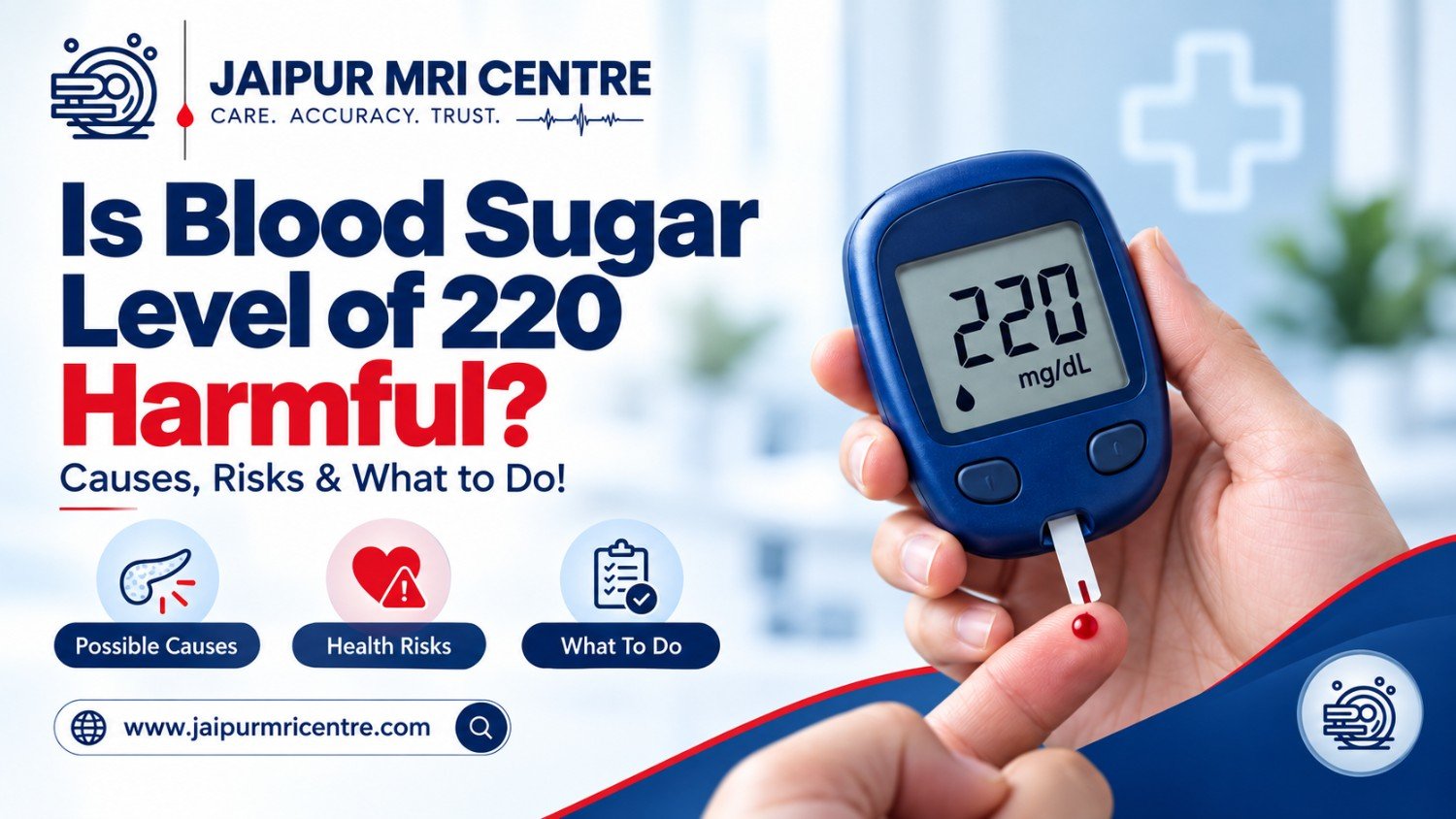
Suppose you’re seeing a blood sugar reading of 220; that’s understandably worrying. However, is 220 really dangerous? It will depend on the time the blood sugar level was taken, whether you have diabetes or not, your symptoms and whether it is a one-off reading or a pattern.
Generally, when blood sugar is 220 mg/dL, it is high and should not be ignored. When it occurs frequently, it can mean uncontrolled diabetes, or it could mean that the diabetes is not diagnosed and it needs to be evaluated.
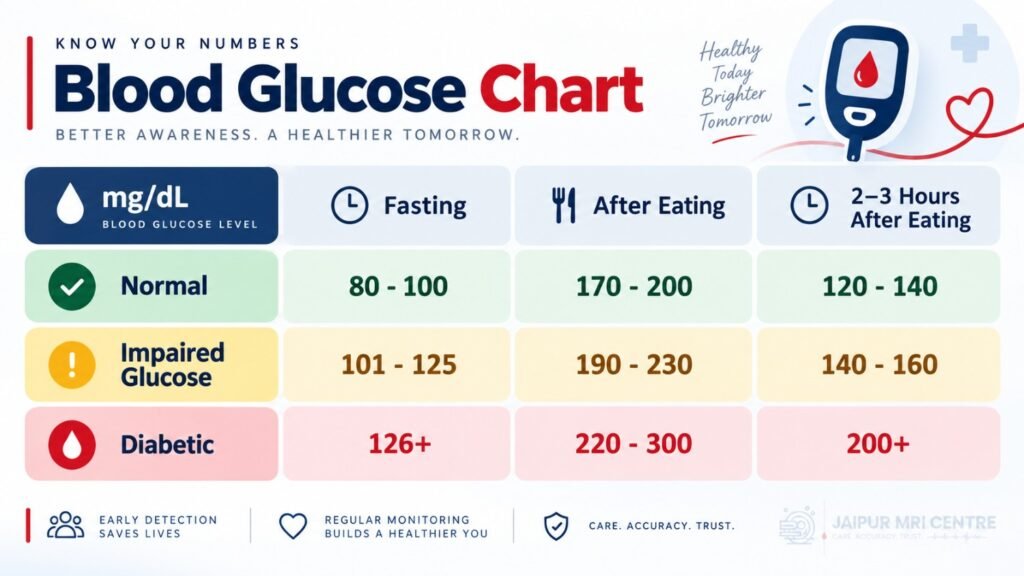
Yes. The blood glucose level of 220 mg/dL (12.2 mmol/L) is well elevated. Among adults who don’t have diabetes, normal blood sugars are around:
Individual targets can vary and are, most often, established by your doctor for people with diabetes. Nevertheless, 220 mg/dL is typically high for most individuals.
The time of the test is important. A post-meal reading of 220, and a post-fast reading of 220, are not the same and should not be interpreted as such—but both should be taken into account, especially if repeated.
Don’t assume that one high reading indicates precisely what’s going on. A temporary rise in blood sugar may occur due to:
However, if your blood sugar is often 200-220 mg/dL or higher, it may mean your diabetes isn’t under control, or you may be developing diabetes.
Your doctor may order fasting blood glucose, post-meal glucose and HbA1c to help determine your average blood glucose levels and overall glucose control.
If the blood sugar reading is 220 mg/dL or higher, this is a serious reading and not something to take lightly, but it is not necessarily a medical emergency.
The immediate danger will depend on your signs and symptoms and the level to which the glucose keeps increasing.
Chronically high blood sugar can have long-term consequences in the body. Without proper control of diabetes, you may develop complications in your:
The reason for this is that occasionally high readings are not a cause for worry, while frequent readings in the mid to late 200s are a cause for concern.
For some, blood sugar levels can be around 220 and not show any symptoms. Others may experience:
If you have these symptoms and have high blood sugar levels frequently, please seek medical attention.
A fasting blood sugar of 220mg/dL is quite high.
The fasting blood glucose is obtained after a minimum period of fasting of 8 hours. This is a not normal variation and should be medically assessed.
If you’ve been diagnosed with diabetes, it might mean you need to re-evaluate your treatment or lifestyle.
This is a very high reading for a person who has not been diagnosed with diabetes and should be evaluated immediately.
Blood sugar goes up after meals, especially after one with carbohydrates. 220 however, is still quite elevated for most, especially those aiming for a post-meal blood sugar of less than 180.
A single high blood sugar does not necessarily mean a diagnosis of diabetes has been made. Your doctor might review other readings and other lab tests, like HbA1c, to find out if the increase is continuing.
Elevated blood sugar is more concerning if there are signs and symptoms present.
If high blood glucose levels are occurring with symptoms such as:
These symptoms can be associated with a severe complication of uncontrolled diabetes and should not be dealt with at home without medical guidance.
If your glucose is extremely high or is rising, especially if you are suffering from diabetes, check with your doctor or get urgent medical attention.
If the reading is not what was expected, wash and dry off hands and retest with a properly working glucose meter and test strip.
Note whether the reading was done on the morning of fasting, before or after a meal. This information could be useful to the doctor to help identify patterns.
When blood glucose is high, it is important to maintain good hydration unless it is recommended to limit fluid intake by a doctor.
If you have a high reading, don’t take insulin or diabetes medicine just because you feel you need to; check with your health care provider first.
Don’t just take a single reading from home or wait for a medical evaluation if your blood sugar is continually at 220 mg/dL or above.
| Already dealing with a diabetes-related complication? If your doctor has recommended an MRI, CT scan, ultrasound, PET-CT, or X-ray to investigate symptoms like persistent headaches, numbness, vision changes, or kidney concerns, Jaipur MRI Centre can help you find and book a verified diagnostic centre in Jaipur — without the usual runaround. Book Your Scan → |
Blood sugar tests (fasting glucose, post-meal glucose, HbA1c) are what doctors use to check glucose control itself. Imaging tests come into the picture only when your doctor suspects that prolonged high blood sugar has started affecting an organ — not to diagnose the high blood sugar itself.
Depending on your symptoms, a doctor may recommend:
Jaipur MRI Centre helps patients in Jaipur find and book appointments for MRI, CT scan, PET-CT, ultrasound, and X-ray at verified diagnostic centres across the city, once your doctor has advised a scan.
A glucose level above 220 mg/dL is high and must not be neglected. A single high reading is not on its own a sign of poor glucose control, but it may point to previously undiagnosed diabetes.
Pay attention to the time of the reading, whether it keeps recurring, and whether you’re experiencing any symptoms. If symptoms are severe — vomiting, confusion, or difficulty breathing — get immediate medical attention. If your doctor advises a diagnostic scan to check for complications, Jaipur MRI Centre can help you get that appointment booked quickly at a verified centre near you.
Not necessarily. If the blood glucose level is 220 mg/dL, it is high, but whether it is an emergency or not varies depending on whether you have symptoms, the duration of the high blood glucose level, and your medical history. Seek urgent medical attention if vomiting occurs, with very severe abdominal pain, confusion, difficulty breathing or severe weakness.
This is not a diagnosis of diabetes, but it is fairly elevated and should be checked, especially if the level is checked more than once or there are other symptoms, like thirst, urination or unexplained weight loss.
It is not always necessary to be hospitalised if one has a reading of 220. If your glucose level keeps getting higher, though, or you do have serious symptoms like vomiting, confusion, trouble breathing or fainting, get urgent medical care right away.
Yes. Blood glucose can increase due to physical or emotional stress. High blood sugar can also be caused by infection, illness, lack of sleep and some medicines.
This article is for general information only and is not a substitute for professional medical advice, diagnosis, or treatment. Always consult your doctor about your specific blood sugar readings and symptoms.
Our team can help you understand what your doctor's advice means and match you to the right diagnostic centre nearby.


Need Help